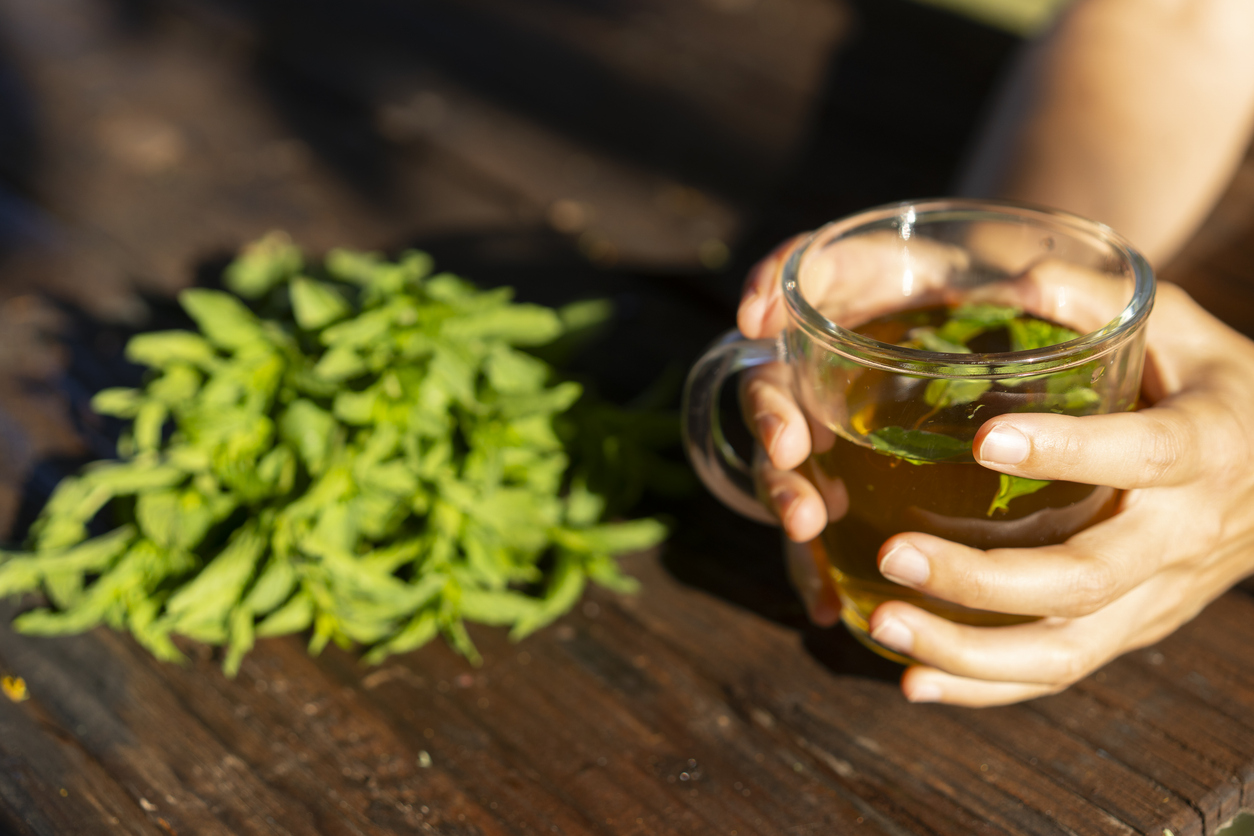
Some of the oldest medicine in the world is also the simplest: a warm cup after a meal.
Across generations and continents — peppermint after dinner, fennel seeds by the door, ginger steeped in every grandmother’s kitchen — cultures everywhere landed on the same quiet truth. Certain herbs help the body do what it’s already trying to do: digest with ease.
If bloating, gas, or that heavy “brick in the stomach” feeling have become your normal, this post is for you.
Why Digestion Gets Uncomfortable
Digestive discomfort rarely comes out of nowhere. It tends to build from a few familiar sources:
Eating in a hurry. Digestion is a “rest and digest” activity — literally. Meals eaten standing, scrolling, or stressed arrive in a gut that wasn’t ready to receive them.
Tension held in the belly. Stress doesn’t stay in the mind. The digestive tract is exquisitely sensitive to it, and chronic tension can slow, cramp, or unsettle the whole process.
Meals that overwhelm. Large, heavy, or rushed meals ask a lot of the body’s digestive fire — and sometimes it simply falls behind.
The herbs traditionally used for digestion meet each of these beautifully.
The Herbal Helpers
Carminative herbs — the aromatic family that includes botanicals like peppermint, fennel, and ginger — are digestion’s oldest friends. Traditionally used to ease gas and bloating, they help relax digestive tension and encourage everything to keep moving comfortably in the right direction.
Soothing botanicals coat and calm. When the digestive tract feels irritated or raw, these gentle herbs offer a kind of internal balm, supporting comfort from the inside.
Bitter herbs, taken before meals, have been used for centuries to gently wake up digestive function — encouraging the body to meet food ready, rather than catching up afterward.
Our digestive tea blend at Sacred Roots combines aromatic carminatives with soothing botanicals for exactly this purpose: promoting digestive comfort and post-meal ease, one warm cup at a time.
How to Use a Digestive Tea Well
Timing matters. Sipping a cup with or just after a meal supports the body right when it’s working hardest. For sensitive digestion, a small cup before eating can help prepare the way.
Steep covered. The aromatic oils in carminative herbs are the point — steeping with a lid keeps them in your cup instead of the air.
Make it the pause. Let the tea double as habit medicine: a signal to sit, slow down, and give your body the unhurried minutes digestion actually requires.
When Digestion Is Trying to Tell You More
A good digestive tea supports comfort. But if bloating and discomfort are constant companions — showing up meal after meal, year after year — the body may be pointing at something deeper: specific foods it’s struggling with, a stressed nervous system, or clearing pathways that need support.
That’s where root-cause care begins. Through gentle muscle testing, we can help identify what’s actually driving the discomfort — and which herbs and nutrition your body responds to best.
Find our Digestive Comfort blend and the full line of therapeutic teas in the Tea Shop — or book a free Complimentary Wellness Consultation to get to the root of it.